If you are building a custom home in Calgary, energy efficiency is not a nice extra. It is one of the biggest factors in how comfortable your home feels and how much it costs to run.
In a climate with long winters, cold snaps, and rising utility costs, the wrong decisions can leave you with drafty rooms, uneven temperatures, and higher monthly bills for years. The right ones can give you a home that feels warmer, runs smarter, and performs better from the start.
This guide will explore ways to make your custom home more energy efficient and the benefits for Calgary homeowners.
Use the links below to navigate to the sections you want to read:
What Really Makes a Home Energy Efficient?
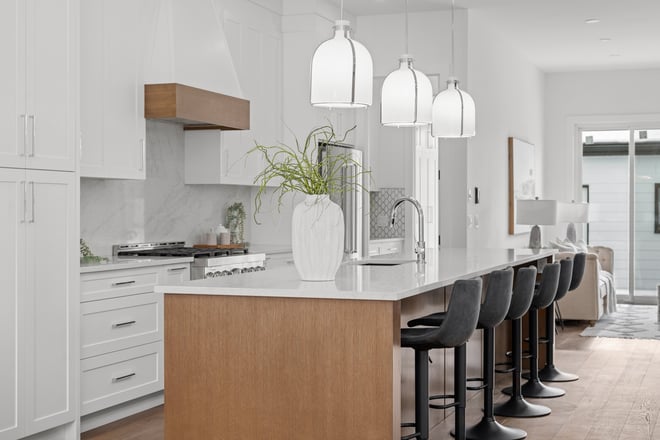
A custom home is energy efficient when it holds heat well, limits unwanted air leakage, and does not make the mechanical systems work overtime just to keep the house comfortable.
For most homeowners, that comes down to these core factors:
- Insulation
- Air sealing
- Windows and doors
- Ventilation
- Properly sized heating and cooling systems
If those are done well, the house should feel comfortable in every room year-round. You should not have big temperature swings from room to room, or a furnace that is always trying to catch up.
If they are not done well, you tend to notice the same problems over and over:
- Drafts near windows and doors
- One room that is always colder than the rest
- Floors that feel chilly in winter
- Higher heating bills than expected
How To Build Energy Efficiency Into Your Custom Home From the Start
The best time to make energy-efficiency decisions is before construction starts. Once the house is framed, your best opportunities are either locked in or much more expensive to improve.
To avoid mistakes later, focus first on the parts of the home that shape comfort, heat loss, and long-term performance.
Table 1. Building Energy Efficiency Into Your Custom Home
| What to focus on early |
Why it matters |
| Insulation plan |
Strong wall, attic, and foundation insulation helps the home hold heat longer and reduces heating demand |
| Airtightness |
Sealing gaps around penetrations, transitions, windows, and doors cuts down on drafts and unwanted heat loss |
| Window size, placement, and performance |
Good windows improve comfort, but too much glass in the wrong places can increase heat loss and create uneven temperatures |
| Ventilation strategy |
A tighter home needs a fresh-air plan, often with an HRV or similar system, so the house stays healthy and comfortable without wasting energy |
| Mechanical system sizing |
Heating and cooling equipment should be sized for the actual performance of the house |
| Home orientation and solar exposure |
The position of the home and where the glass goes can affect daylight, passive solar gain, and overheating risk |
| Overall house shape and complexity |
Simpler forms are usually easier to insulate and seal well, while more complex shapes create more opportunities for heat loss and construction issues |
Does an Energy-Efficient Home Make Sense in Calgary?
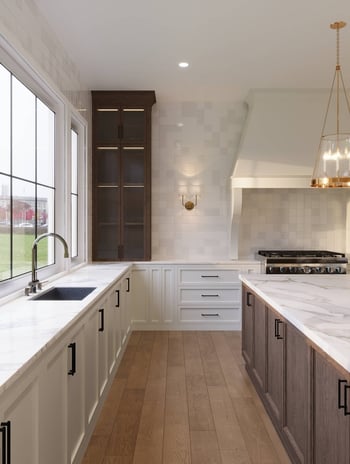
Yes, and probably more so than in many other places.
Calgary’s long winters make weak insulation, air leaks, and average windows much harder to live with. What might feel minor elsewhere can show up quickly here as cold rooms, chilly floors, drafts, and higher heating bills.
Homeowners who want real energy efficiency in their custom homes usually feel the difference in these areas:
- Comfort: Fewer drafts and more even temperatures
- Cost: Lower heating demand and more manageable utility bills
- Performance: A home that feels better built and holds up better over time
One thing to remember: code-minimum performance is not always the same as a truly comfortable, high-performing home. If energy efficiency matters to you, it is worth deciding early how far beyond minimum standards you want to build and go over the best options with your contractor.
Net-Zero vs. Energy-Efficient: What’s the Difference?
People often use net-zero and energy-efficient interchangeably, but they are not the same thing. Both aim to lower energy use and improve performance, but they are built around different targets.
Here's a breakdown of them both:
Table 2. Net-Zero vs. Energy-Efficient
| |
Energy-Efficient Home |
Net-Zero Home |
| What you are trying to achieve |
A home that is cheaper to heat and cool and more comfortable to live in |
A home that can offset its annual energy use |
| What the build needs to include |
A strong envelope, good windows, solid air sealing, smart ventilation, and well-matched mechanical systems |
All of the same performance-focused decisions, plus on-site energy generation |
| What this usually means for daily life |
Lower utility bills, fewer drafts, and steadier indoor temperatures |
The same comfort benefits, with a bigger focus on long-term energy independence |
| What kind of budget it usually fits |
A good fit for homeowners who want strong performance without pushing every decision to the highest level |
Better suited to homeowners willing to spend more up front to reach a more aggressive target |
| What the planning process feels like |
More straightforward and easier to balance with other build priorities |
More involved, with more coordination between design, construction, and energy production |
| Who it usually makes sense for |
Homeowners who want a better-built home that performs well in Calgary’s climate |
Homeowners who want to go beyond efficiency and aim for much lower long-term reliance on outside energy |
For many Calgary homeowners, an energy-efficient home is the more practical target. It gives you a better-performing house, stronger winter comfort, and lower operating costs without adding the cost and complexity that usually come with a full net-zero build.
What Should You Expect To Spend on an Energy-Efficient Home?
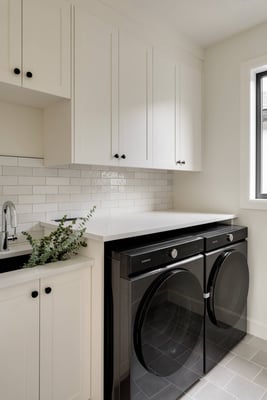
There is no flat percentage or standard upcharge for an energy-efficient custom home. The cost depends on how early these decisions are made and how far you want to push performance.
Some of the smartest choices do not add much cost at all when they are built into the plan early. Things like better window placement, smarter orientation on the lot, a simpler roofline, stronger air sealing details, and better coordination between design and mechanical planning can all improve performance without dramatically changing the budget.
Other decisions usually raise the cost more noticeably, especially when homeowners want to go beyond a solid baseline. Those often include:
- Higher-performance windows
- More insulation
- Upgraded wall or roof assemblies
- Better ventilation equipment
- Solar or net-zero-ready features
The most important point is where the money goes first. For most homeowners, the best return comes from investing in the outer structures of the house before spending on add-ons. A stronger exterior usually does more for comfort, efficiency, and long-term value than features that sound impressive but do less in daily life.
How Energy-Efficient Homes Help Lower Monthly Utility Costs
Lower utility bills usually come from one simple change: the house wastes less energy.
When the home holds heat better, leaks less air, and uses equipment that is matched to the house, it does not need as much energy to stay comfortable. In Calgary, where heating is a major part of the monthly cost of running a home, that difference can add up over a long winter.
The savings are not only about heat loss, though. A well-planned energy-efficient home can also reduce waste in a few other ways:
- Better window placement: Well-placed windows can bring in useful daylight and reduce the need for artificial lighting during the day.
- Smarter mechanical design: When heating and ventilation systems are designed around the house properly, they tend to run more efficiently and with less strain.
- More consistent indoor temperatures: A steadier home often means less thermostat adjusting and less overcompensating in problem rooms.
- Better humidity control: Homes with stronger envelopes and good ventilation often feel more comfortable at a given temperature, which can reduce the urge to keep turning the heat up.
- Less energy waste from oversizing: Equipment that is too large can cycle inefficiently. Properly sized systems usually perform better and more efficiently over time.
For homeowners, the result is usually bigger than just a lower bill. The house often feels quieter, steadier, and easier to live in. There is less chasing comfort from room to room, less frustration during weather swings, and less sense that the house is working harder than it should.
Where To Start When Planning an Energy-Efficient Custom Home
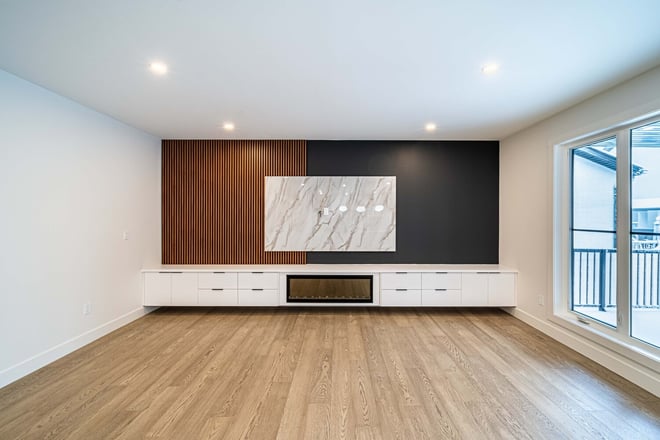
Ideally, you should start planning for energy efficiency at the beginning of the design-build process.
A lot of homeowners wait until the plans are nearly finished before asking about energy efficiency. By then, many of the decisions that matter most are already set. If you want the home to perform well, this needs to come up while the house is still being designed.
Before you get into products or upgrade lists, get clear on what matters most to you. For some homeowners, that is better winter comfort. For others, it is lower utility bills, stronger long-term performance, or building beyond code-minimum.
Then bring those priorities into the conversation with your builder and designer when you're drawing up the blueprints for your custom home. A few questions can tell you a lot:
- How airtight are we planning to build?
- What insulation levels make sense for this home in Calgary?
- What kind of window performance should we target?
- How will ventilation be handled?
- How are the heating and cooling systems being sized?
Asking those questions upfront will guide the design of your custom and keep energy efficiency at the forefront, rather than something you try to squeeze in after most of the work is done.
No Wasted Energy When Building for Energy Efficiency
The biggest energy-efficiency decisions are not the ones homeowners make at the end. They are the ones made while the house is still being designed. The insulation plan, the window package, the airtightness strategy, the ventilation system, and the way the heating equipment is matched to the home all matter.
If you are still in the planning stage, now is the time to slow down, ask better questions, and get clear on what matters most to you. Better comfort. Lower monthly costs. Fewer regrets after move-in. A home that feels as solid as it looks.
And if you are not sure how to weigh those tradeoffs, that is exactly where an experienced custom home builder should help. The right builder can walk you through where performance matters most, where your budget will have the biggest impact, and how to make smart decisions before they get buried behind drywall.
Maximize Energy Savings and Comfort with Bright Custom Homes
At Bright Custom Homes, we work with Calgary homeowners from the beginning to design and build inner-city and luxury homes that perform well in this climate. Our team helps you move from ideas to a clear plan, making sure your home fits your lot, aligns with local requirements, and reflects how you want to live, not just how you want it to look.
If you are planning a custom home in Calgary, we would be happy to walk through your ideas and help you make smart decisions before the build gets too far ahead.
Look through our Portfolio to see what we can build for your family.
Ready to Build?
Contact our team today and take the first step to building your custom home in Calgary. If you have additional questions, check out our FAQs page to get answers to common concerns people have before they start with us.




Leave a Reply
Your email address will not be published.