
Building a custom home comes with many advantages. One of the biggest advantages is designing a home for your lifestyle and preferences. However, Calgary homeowners need to think not just about the home they want now, but also about the home they might need in the future.
While custom home remodeling is a feasible option, it will save lots of time (and money) if you design your home to be adaptable to your future needs. And planning for that starts with making a solid blueprint.
In this guide from the Bright Custom Homes team, we will look at how to future-proof your home during the blueprint phase and make long-sighted decisions.
Use these links to jump to sections that interest you:
-
How Can I Design a Custom Home That Adapts to My Family’s Future Needs?
-
Is It Cheaper to Plan for Future Growth During the Design Phase?
-
How Do Zoning and Lot Size in Calgary Affect Future Home Expansion?
-
What Design Features Make It Easier to Add Rooms or Floors Later?
-
Should I Work With a Custom Home Builder or Architect to Plan for Future Growth?
How Can I Design a Custom Home That Adapts to My Family’s Future Needs?
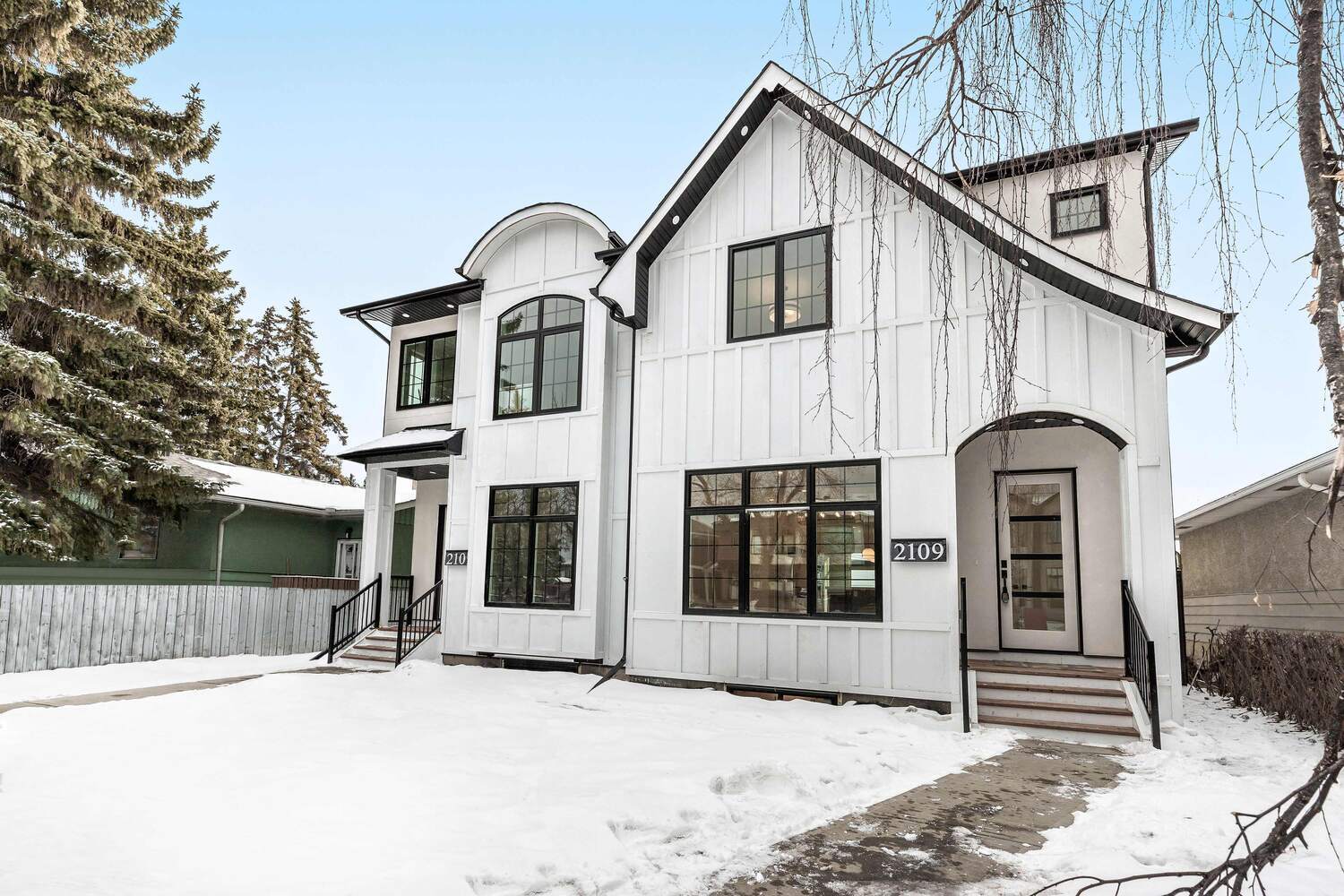
Adaptability starts with asking better questions during the design process. Instead of focusing solely on room labels, think about how you might use spaces over time.
A dining room today might become a homework zone tomorrow. A guest room could transition into a private office. Even hallways and landings can become functional spaces if designed intentionally.
To support adaptability, Calgary homeowners should prioritize:
-
Rooms with neutral proportions
-
Fewer fixed-purpose spaces
-
Open connections between shared areas
What Rooms or Spaces Should I Plan for Future Expansion?
Some spaces predictably become pain points. Ignoring them during design is one of the most common regrets homeowners express later.
Bedrooms, basements, and bonus spaces are often underestimated early on. What feels generous today can feel tight faster than expected, especially as routines evolve.
Rather than building everything immediately, many homeowners plan for:
-
Additional bedrooms that may be needed later
-
Basement layouts that support future development
-
Bonus rooms with enough access and privacy to change use
The goal isn’t to commit to future construction. It’s to make sure the option exists.
Is It Cheaper to Plan for Future Growth During the Design Phase?
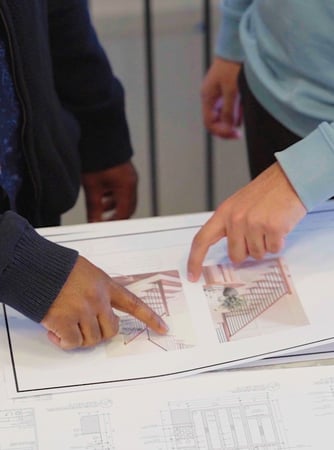
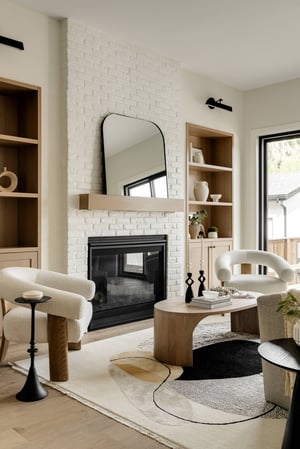
Yes, by a wide margin.
Once framing is complete and systems are installed, even small changes become layered and costly. Planning early allows you to make decisions just once, instead of being revisited later under pressure.
Design-phase planning often prevents:
-
Structural modifications that require demolition
-
Mechanical rerouting that adds labor with no visual payoff
-
Layout changes that reduce usable space
Most expensive renovations trace back to one root cause: the blueprint didn’t allow for change.
For more expense planning resources, download our free Cost Guide.
How Do Zoning and Lot Size in Calgary Affect Future Home Expansion?
Local regulations shape what’s possible long before construction starts. In Calgary, zoning rules, lot coverage limits, and setback requirements can directly impact how a home grows, and ignoring them is a common mistake.
Understanding these rules early makes sure future plans meet local requirements. It also keeps you from designing remodeling options that later turn out to be off-limits.
Depending on the location, different regulations may influence:
-
Whether vertical expansion is allowed
-
How close additions can be built to property lines
-
The feasibility of secondary living spaces
What Design Features Make It Easier to Add Rooms or Floors Later?
The smoothest expansions are the ones the home was designed to accommodate.
Certain decisions, most of them invisible after construction, dramatically reduce the complexity of future work.
Here are some features that allow for easy home growth:
-
Foundations engineered for additional load
-
Roof structures that allow vertical growth
-
Mechanical systems sized beyond current demand
None of these features changes how your home will function in the present. They simply prevent future changes from becoming disruptive projects.
How Can a Custom Home Blueprint Support Aging-in-Place?
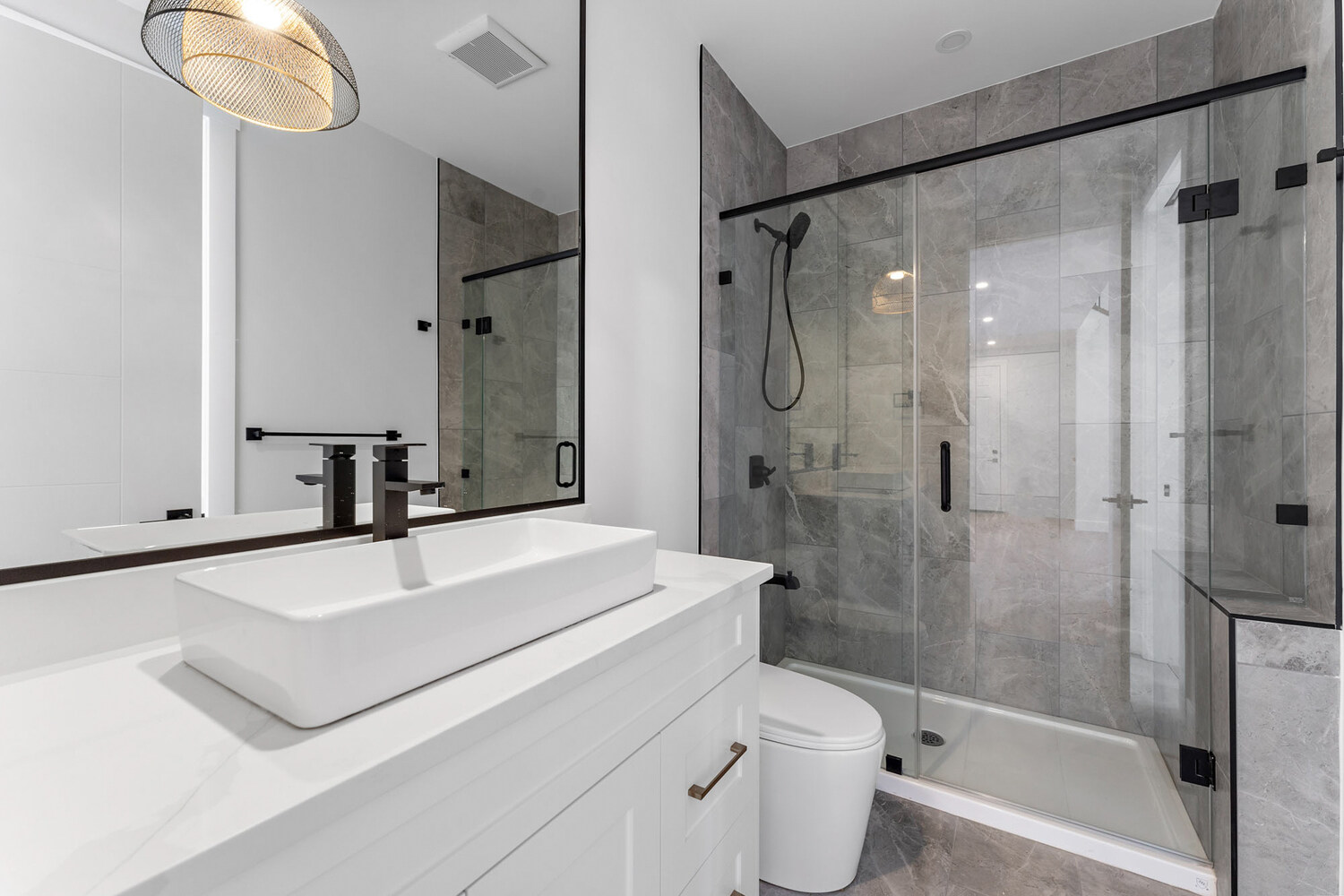
Aging-in-place in homes means building your home in a way to support your comfort and safety as you grow older or to accommodate older adults currently living in your home. Aging-in-place continues to grow more popular in the Calgary home market as multigenerational living becomes more common for various reasons.
It's important to know that aging-in-place planning isn’t about preparing for limitations. It’s about maintaining independence.
Homes that support aging well tend to be easier for everyone to navigate, regardless of age or mobility. The benefits often show up long before they’re needed.
Common new home blueprint considerations include:
-
At least one full bathroom on the main floor
-
Wider hallways and doorways
-
Step-free entries and transitions
These choices rarely feel noticeable, but they add long-term usability without compromising design and style.
Should I Work With a Custom Home Builder or Architect to Plan for Future Growth?
Future growth for a home rarely fails because of bad ideas. It fails because those ideas never make it into the blueprint in a usable way.
This is where a true custom home blueprint service matters. Unlike a standard design handoff, a blueprint service bridges the gap between long-term vision and real-world construction. It forces future needs to be addressed early, before layouts are locked in and flexibility disappears.
A blueprint-focused approach looks beyond how the home will function on move-in day. It evaluates how spaces might shift, where expansion could realistically occur, and which structural or mechanical decisions need to be made now to avoid problems later.
This process typically includes:
-
Translating future scenarios into practical layout decisions
-
Identifying structural requirements for potential expansion
-
Coordinating design intent with construction feasibility
-
Aligning zoning constraints with long-term goals
When future growth is treated as a blueprint problem and not a renovation problem, the home is set up to evolve naturally, and you are not under pressure to make sudden, dramatic changes later.
Design the Home You Need Now and Tomorrow With Bright Custom Homes
For over a decade, the Bright Custom Homes team has been building custom homes in Calgary for families who want more from their space. We can draw up accurate blueprints that reflect your needs and preferences and handle the construction and all that comes with it. We know building a new home is a big step, and we are privileged to be your trusted partner in the journey.
To see our past work, check out our Portfolio. You can also visit our FAQs page to learn more about building a custom home.
Ready to Get Started?
Connect with our team to turn your hopes for a new home into a reality.



Leave a Reply
Your email address will not be published.